Aviation
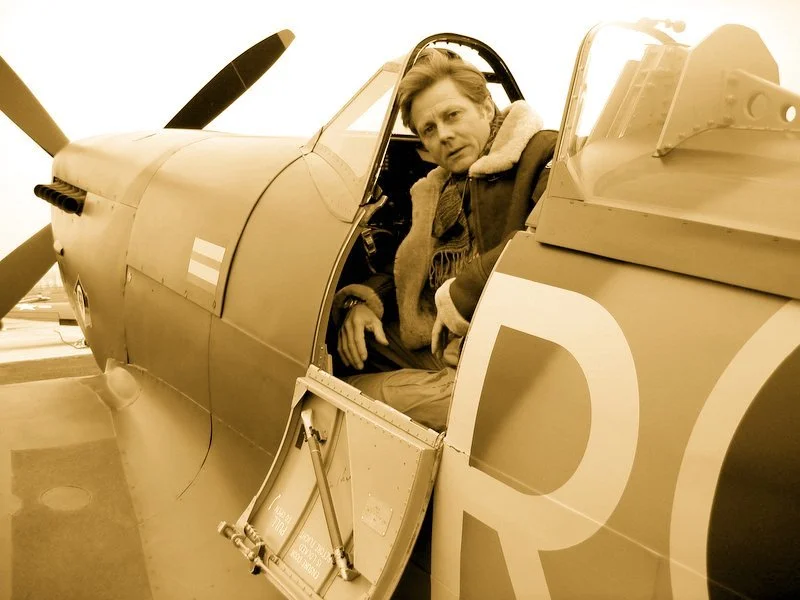
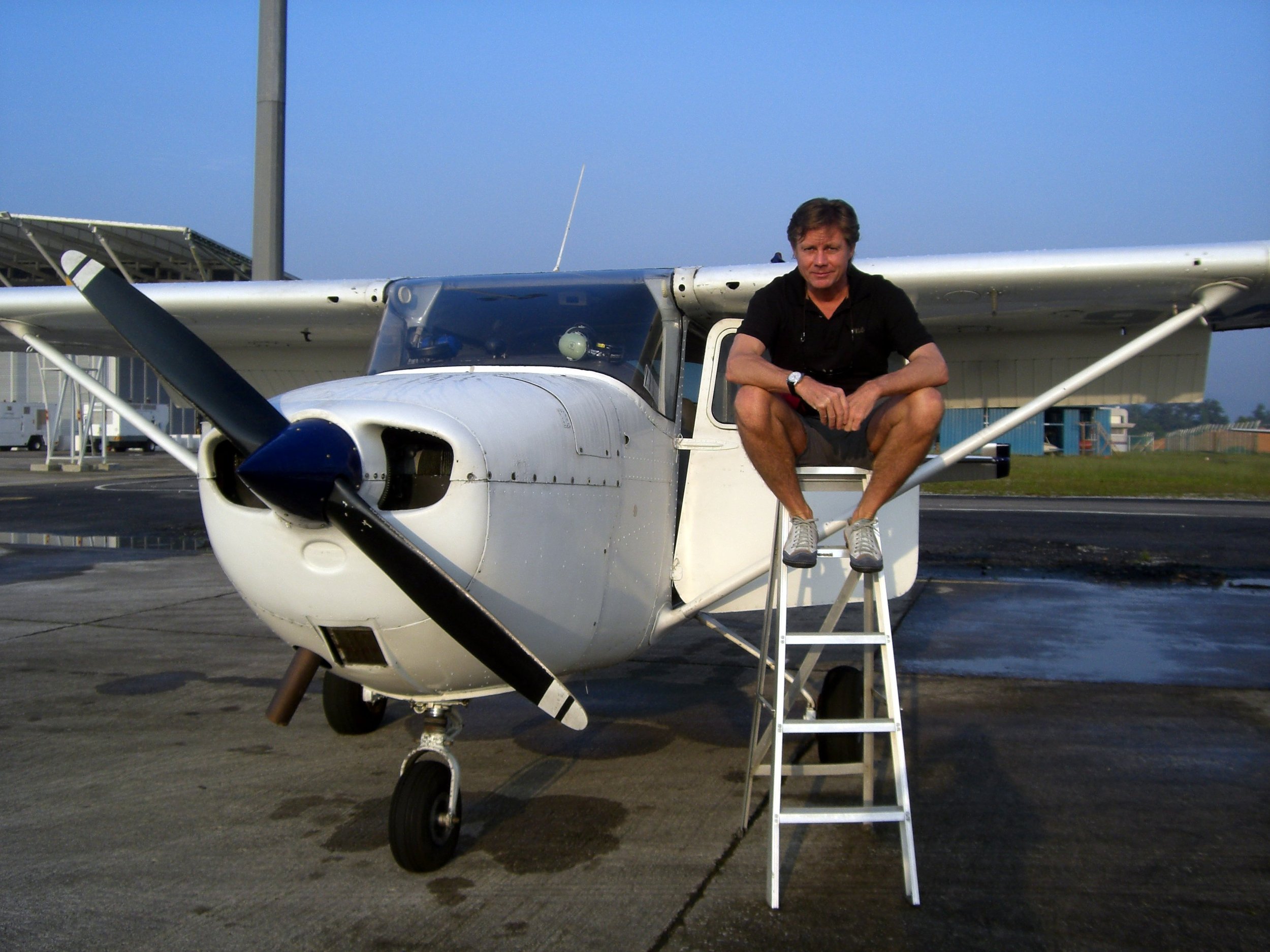
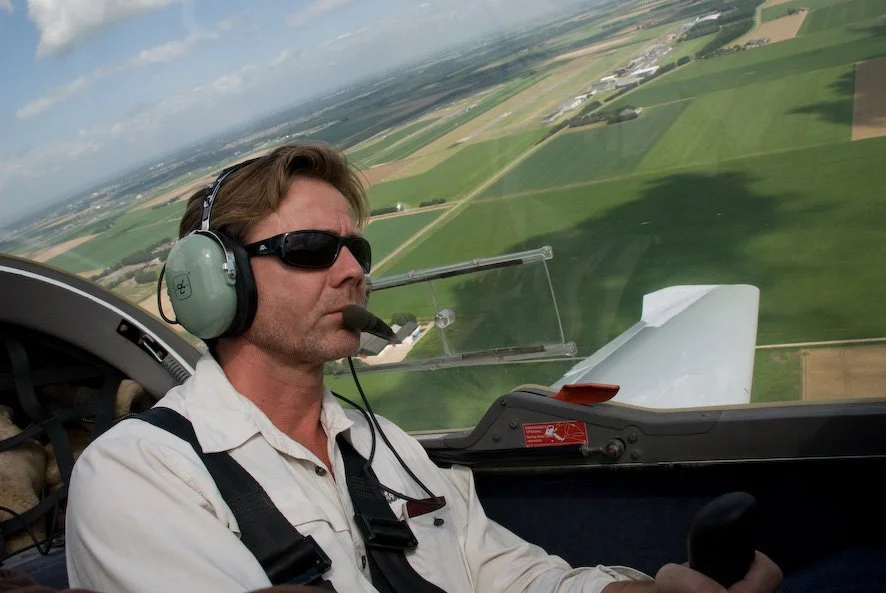
"Even a monkey can be taught to fly." Those were the first words spoken by my very first flight instructor. I was sixteen years old and my mother had given me a flying lesson as a birthday present. She could hardly have known that her gift would spark a fascination that would remain with me for the rest of my life.
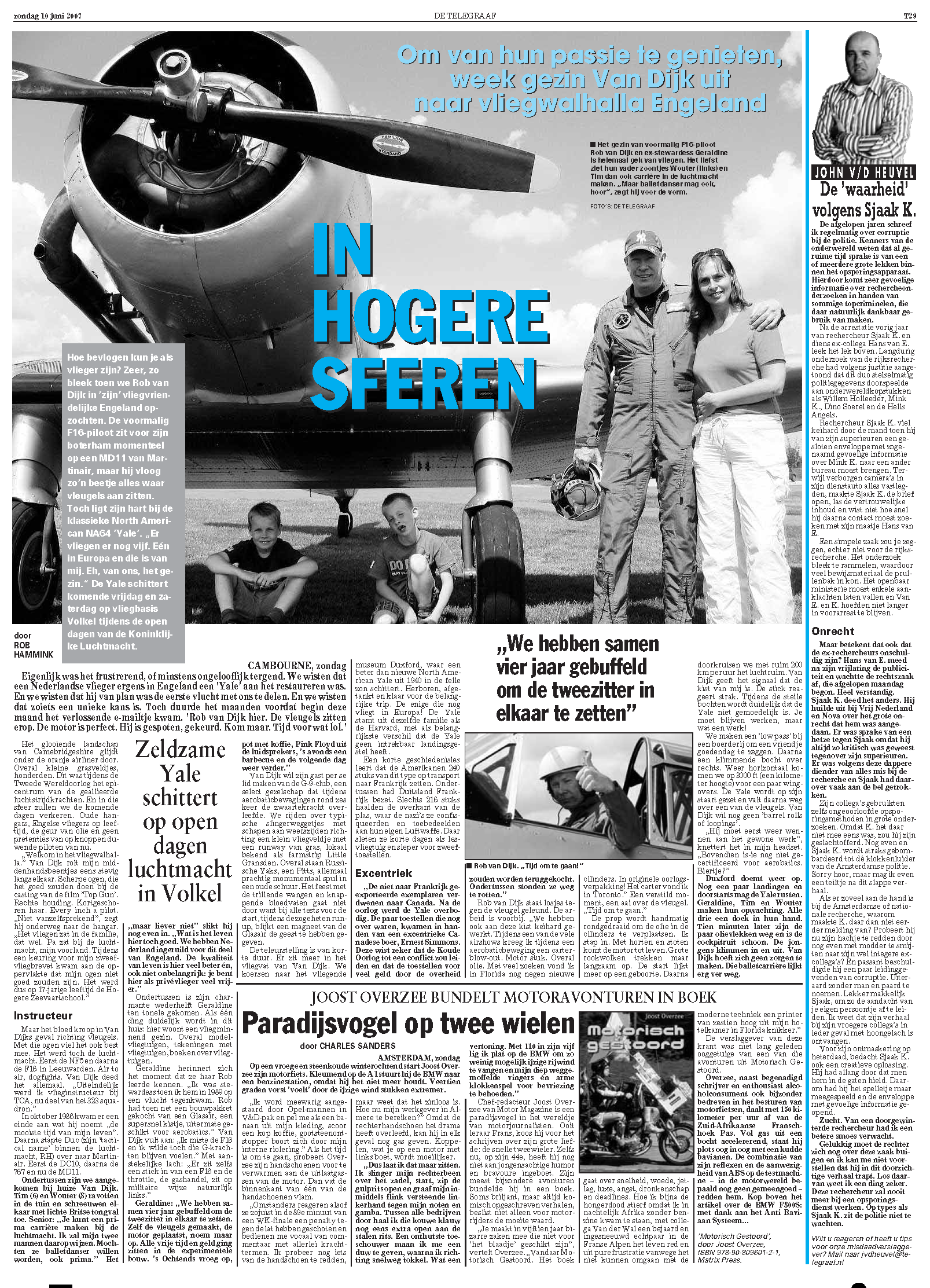
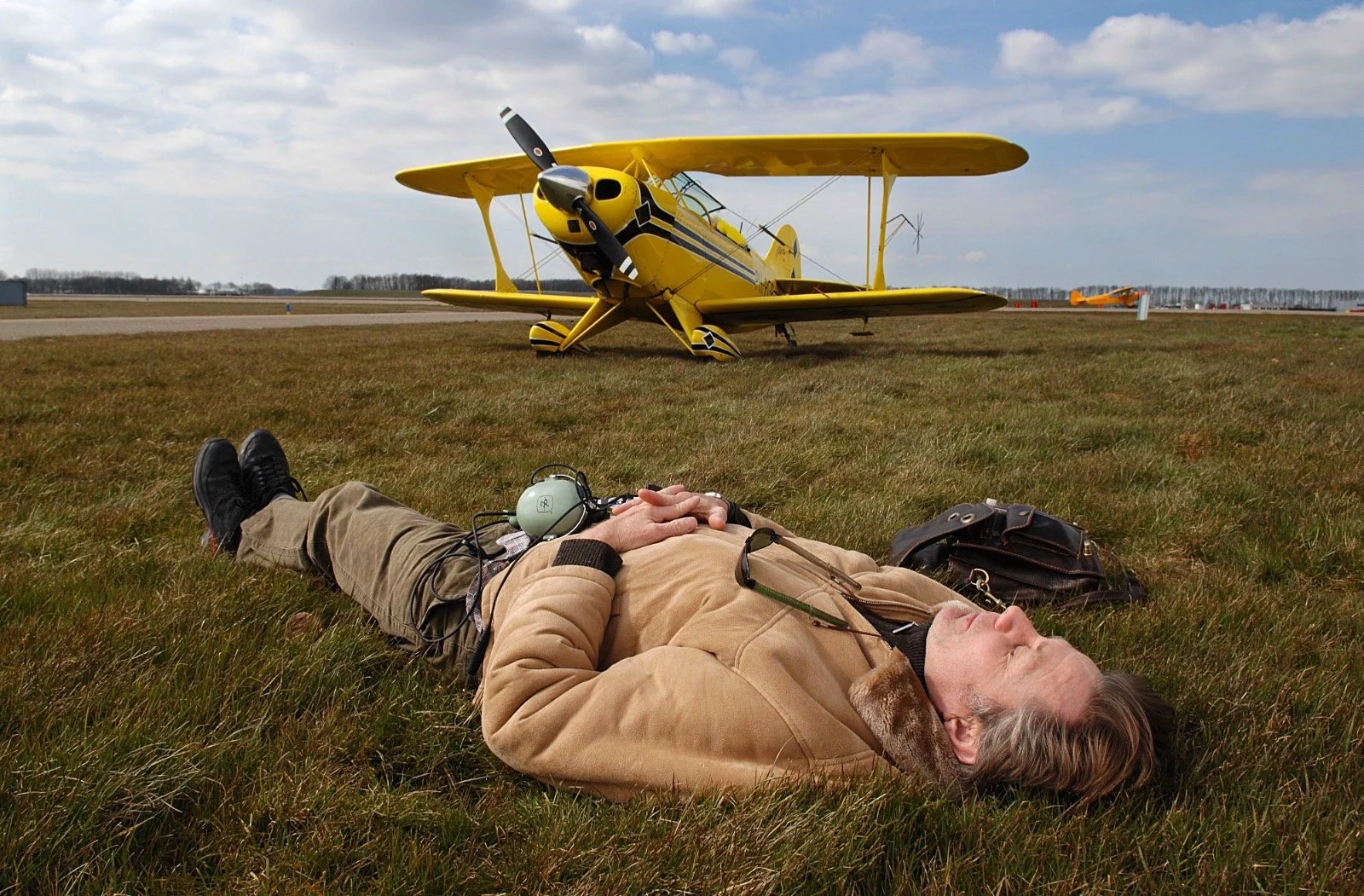
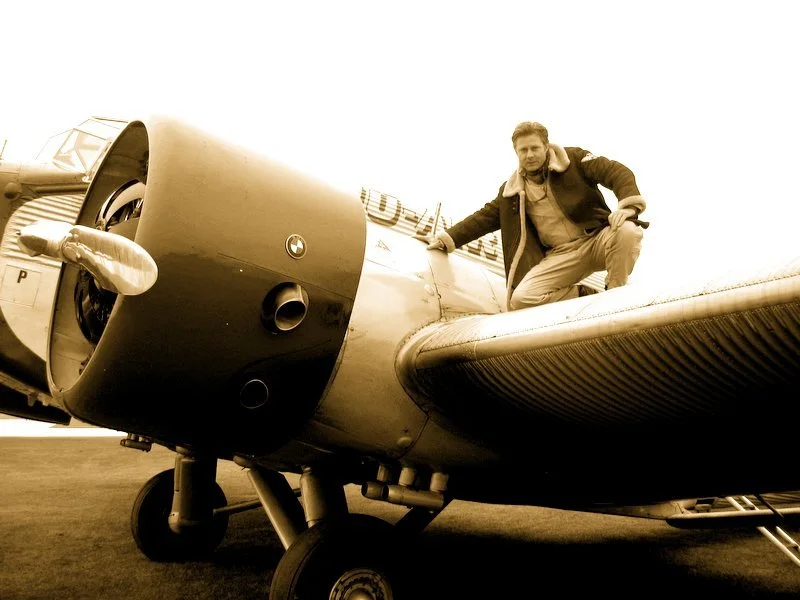
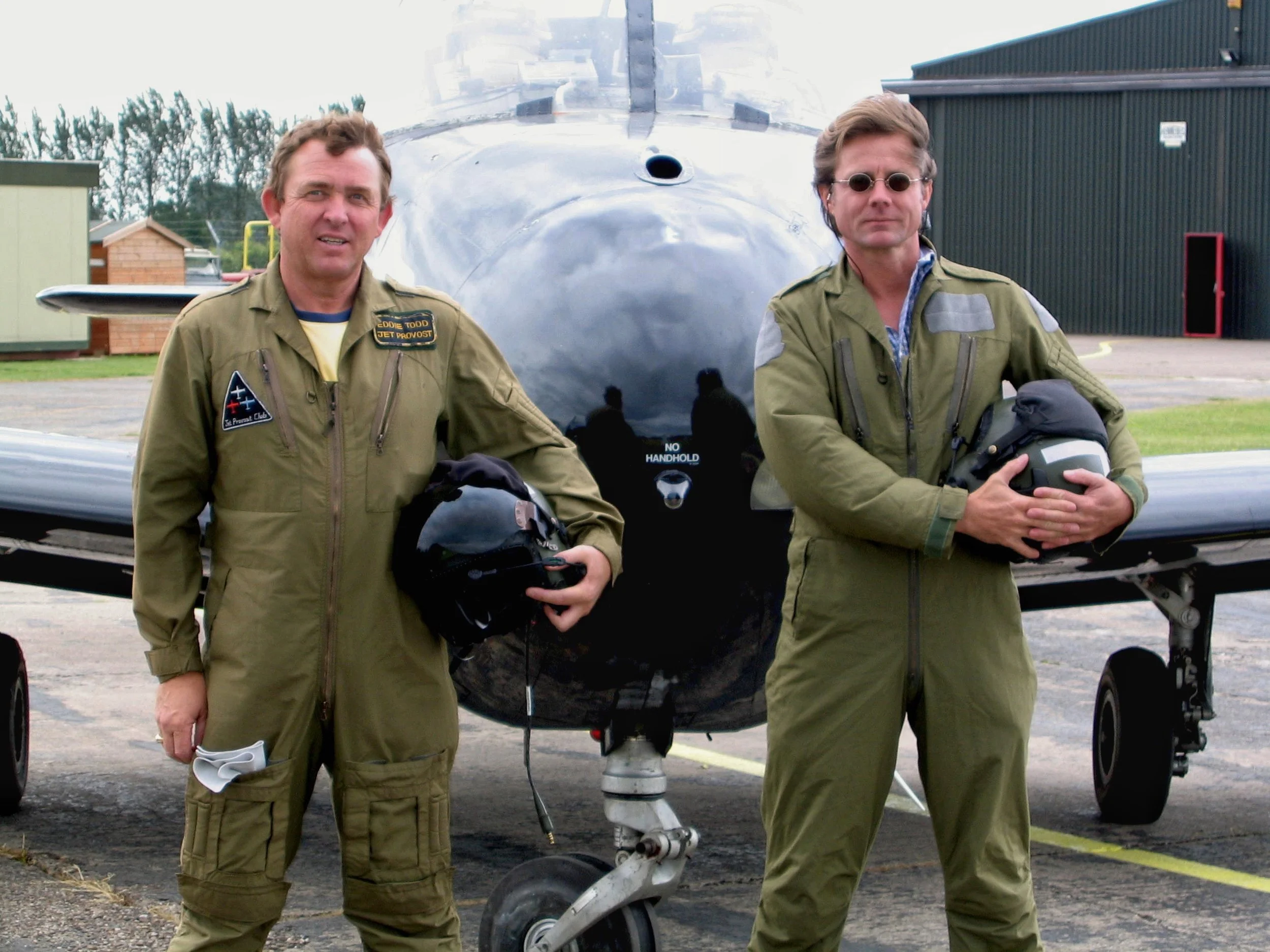
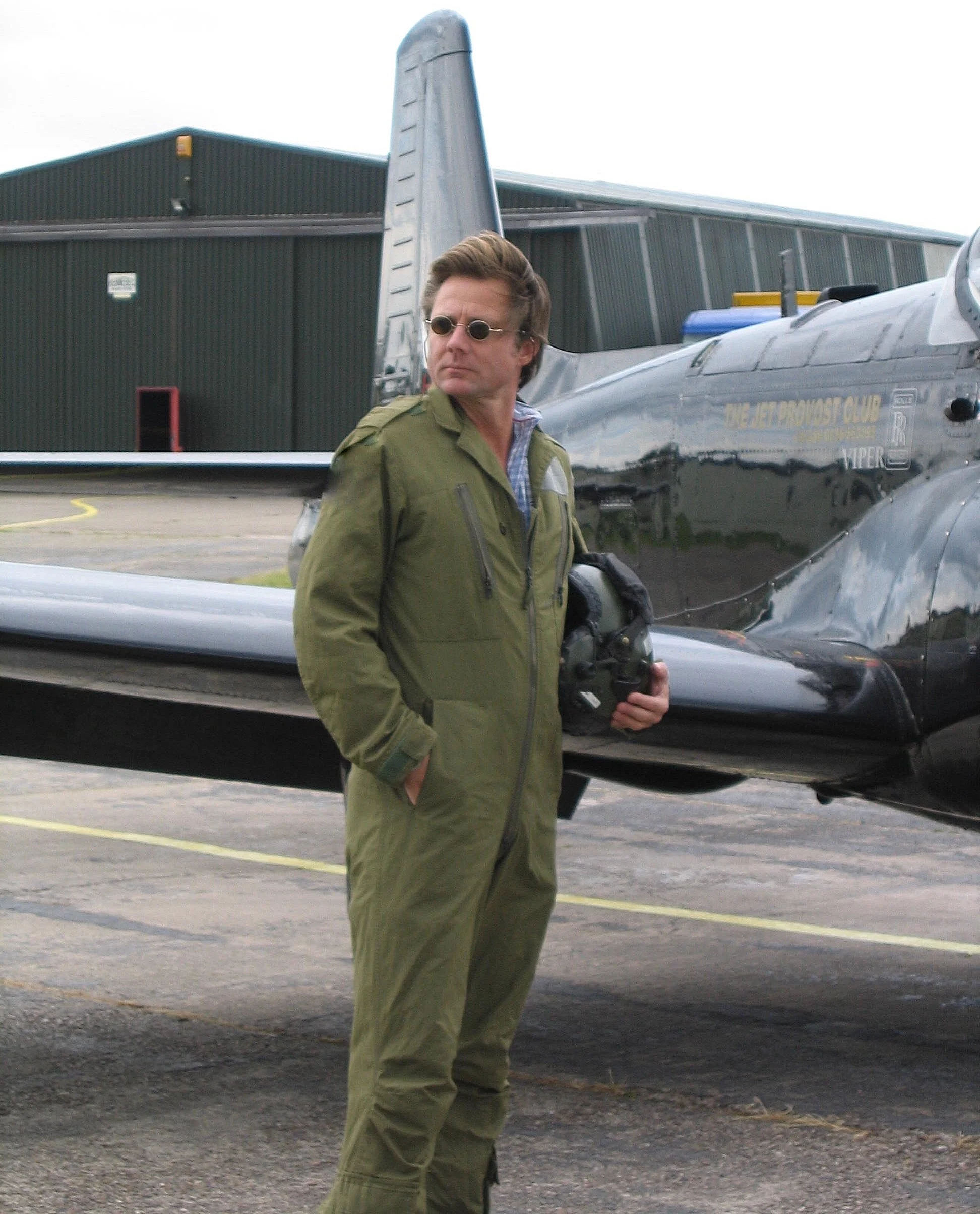
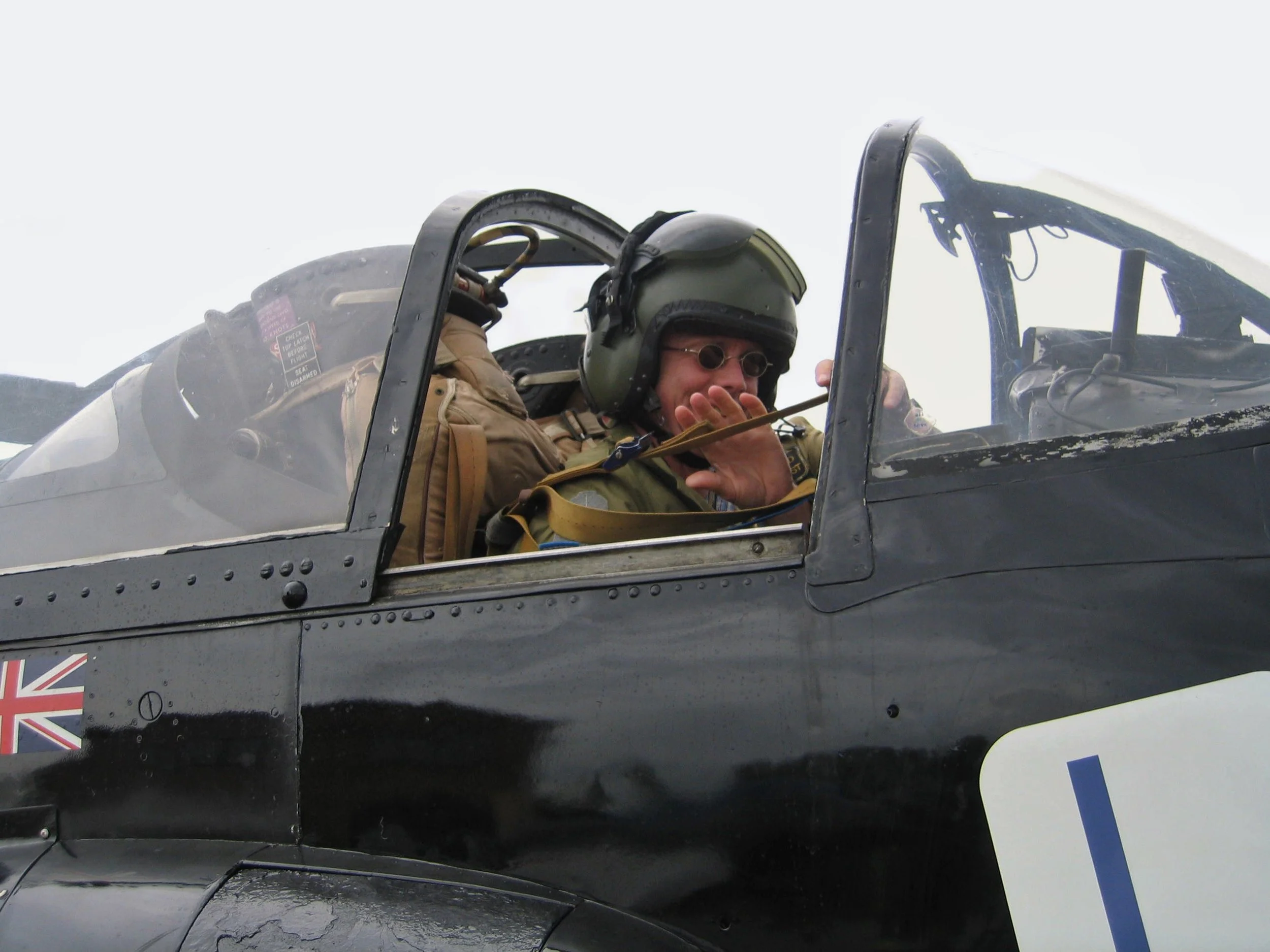
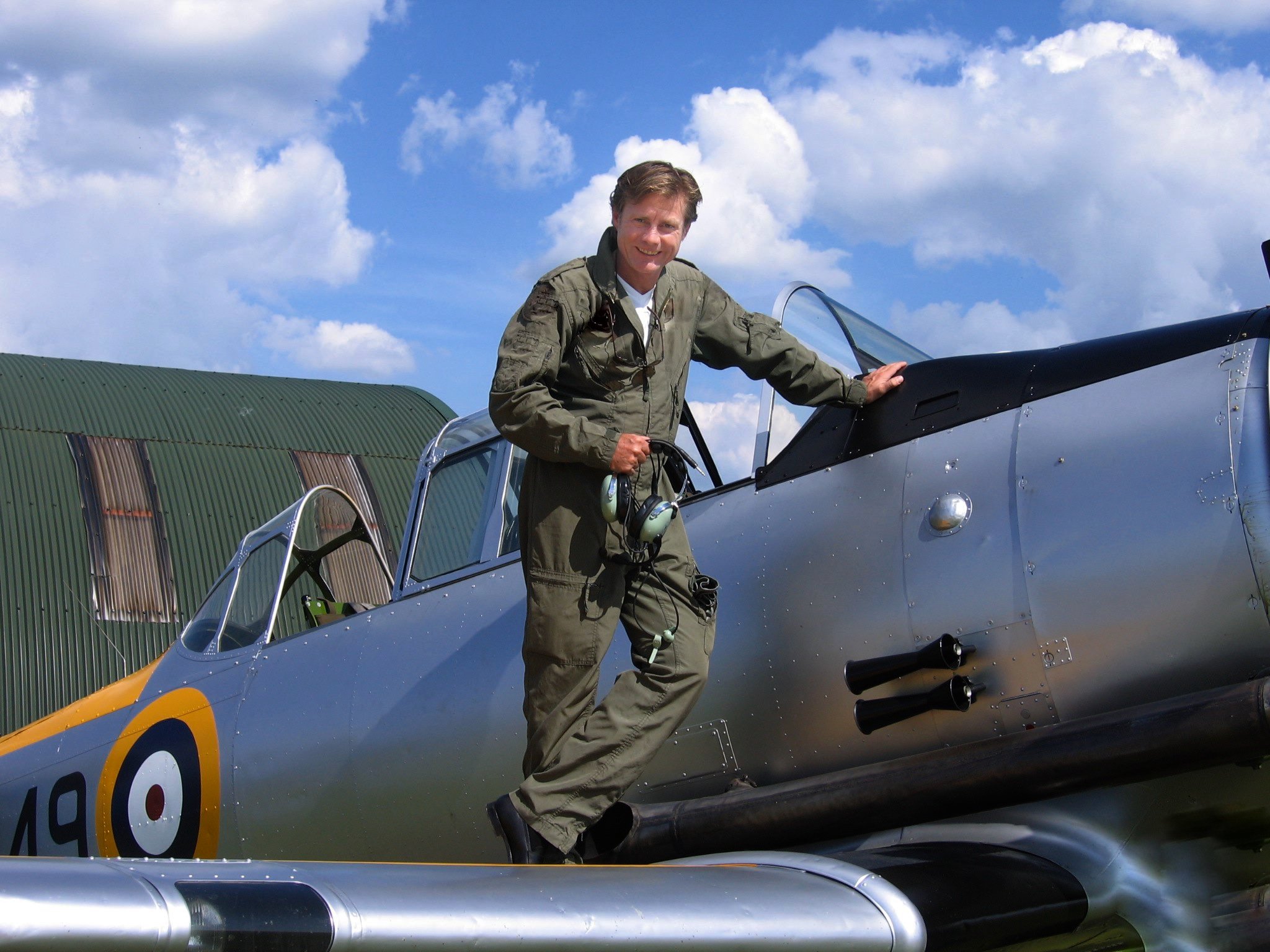
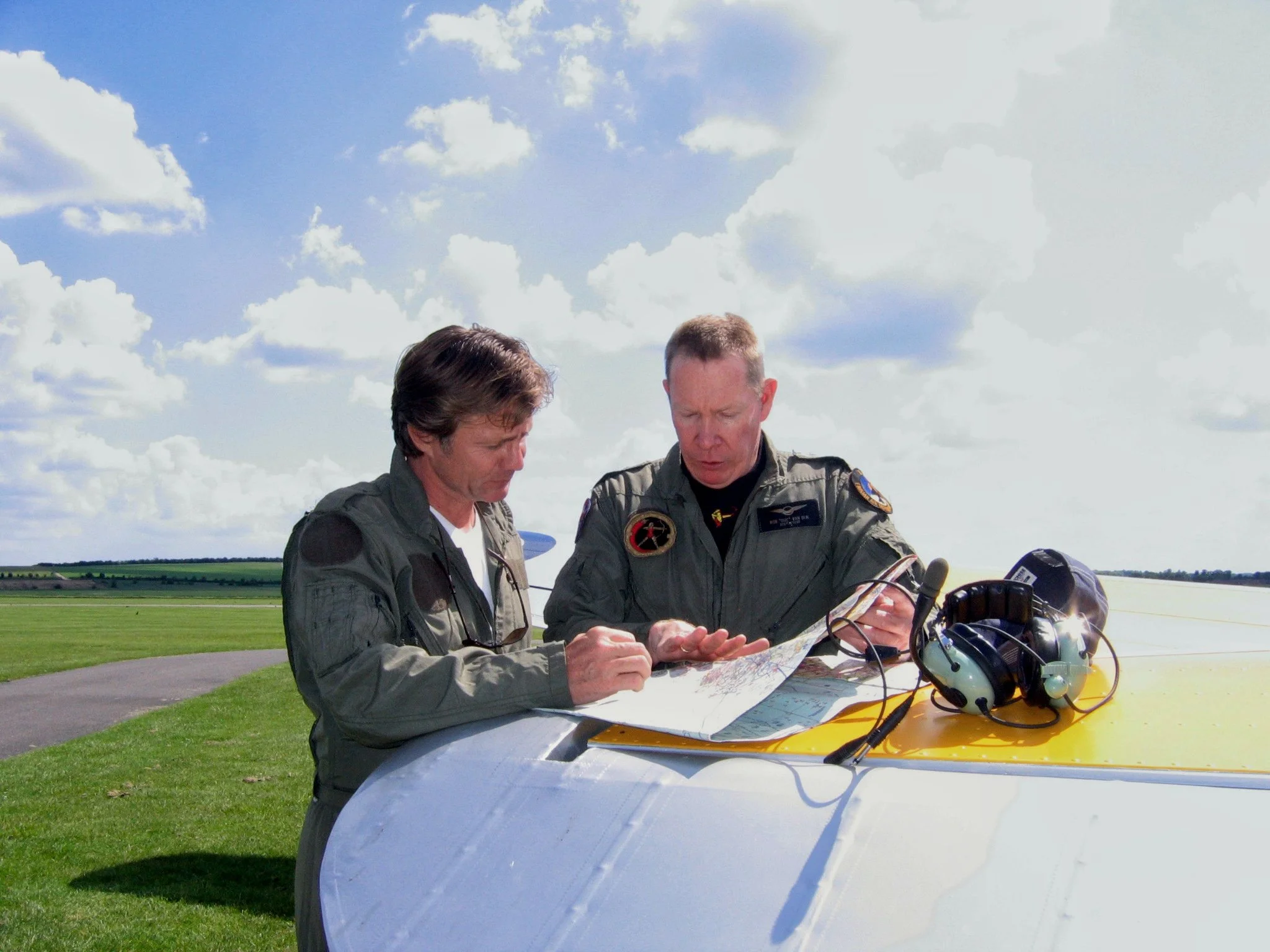
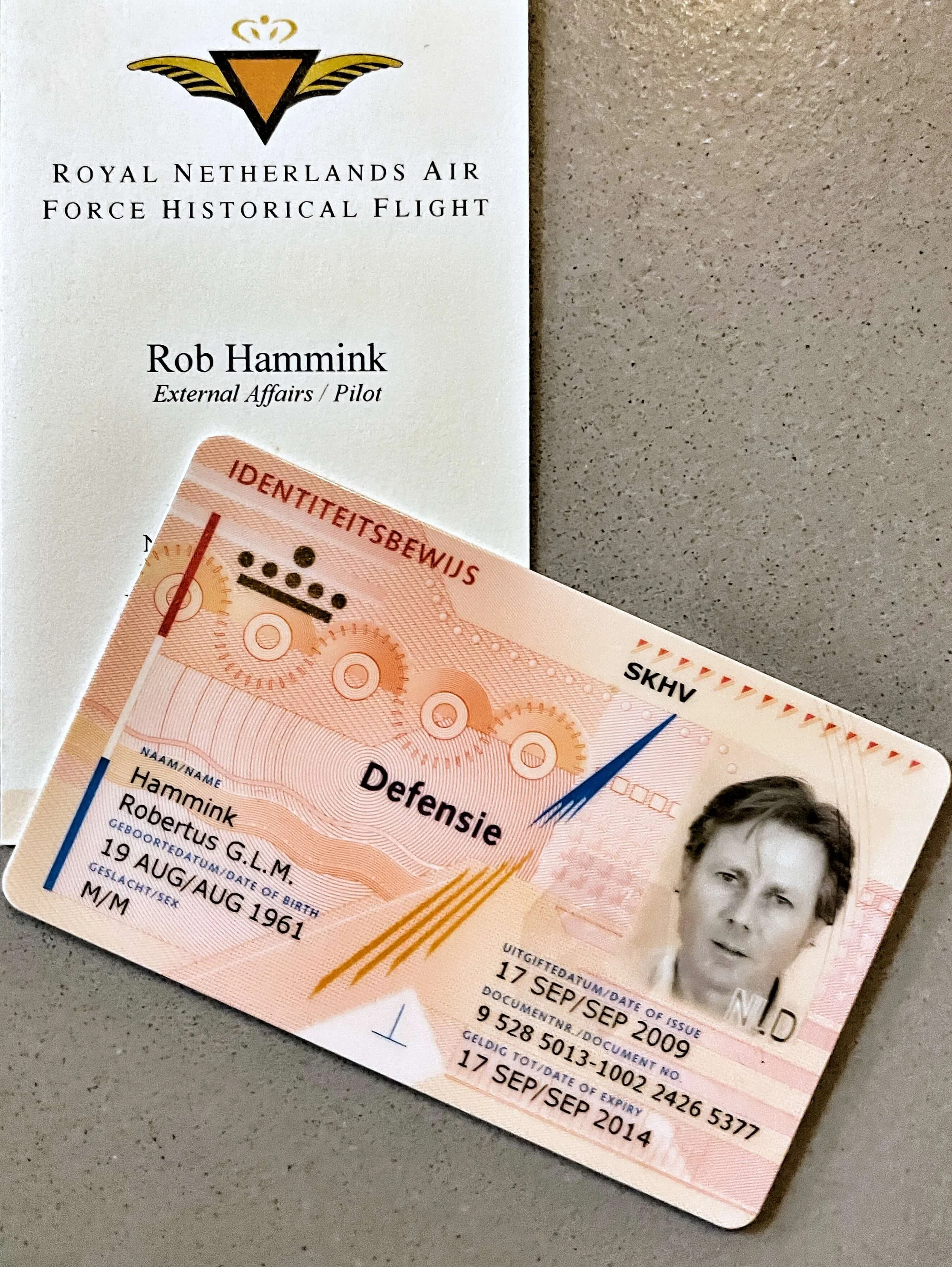
Two years later, was selected for training to become a fighter pilot with the Royal Netherlands Air Force. But some of my most memorable flying experiences came later, with the Royal Netherlands Air Force Historical Flight. Its remarkable collection brought together aircraft from another age: the powerful Mustang, the Yale, the elegant Tiger Moth and an old Piper. For a time, there was even a
legendary Spitfire, until a general managed to write it off completely.
The dream of flying is almost old amanity itself reemythology, Dandals and cars escaped from Crete on wings made of feathers and wax. Centuries later, Leonardo da Vinci carefully studied birds and filled his notebooks with designs for wings, ornithopters, parachutes and a remarkable aerial screw-a distant ancestor of the modern helicopter.
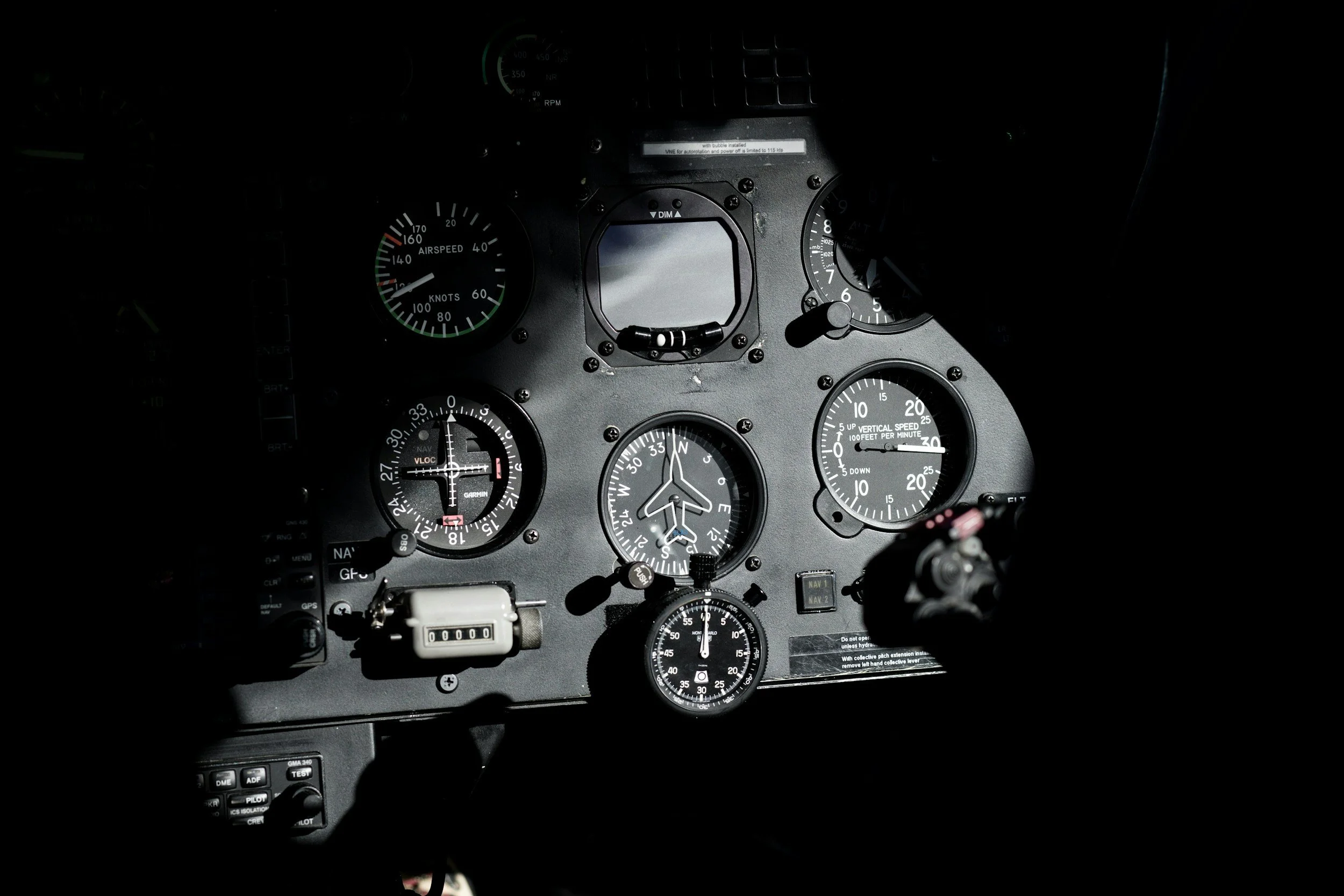
That ancient fascination has never disappeared. Perhaps it never will. Flying is fundamentally different from driving a car or sailing a boat. A pilot does not move through two dimensions, but through three. You can turn left or right, accelerate or slow down, but you can also climb, descend and move freely through the air. It makes flying a little more complex, but it also gives you an extraordinary sense of freedom. Learning to fly requires discipline, technical understanding and respect for the elements. Yet the basic principles can be mastered, just as my instructor told me all those years ago.
After all, even a monkey can be taught to fly.